Emerging Trends in Trade Show Exhibit Design
Trade show exhibits continue to evolve as companies look for new ways to attract attention, engage attendees, and maximize the value of their marketing investments. In a world where there are endless things fighting for our attention, it is imperative that today’s exhibit designs focus not only on visual impact, but also on creating meaningful experiences for visitors. Several key design trends are shaping how modern exhibit spaces are planned and executed, including classic elements that are reliable pillars of design, as well as several trendy new ways to draw people in.
Biophilic Design
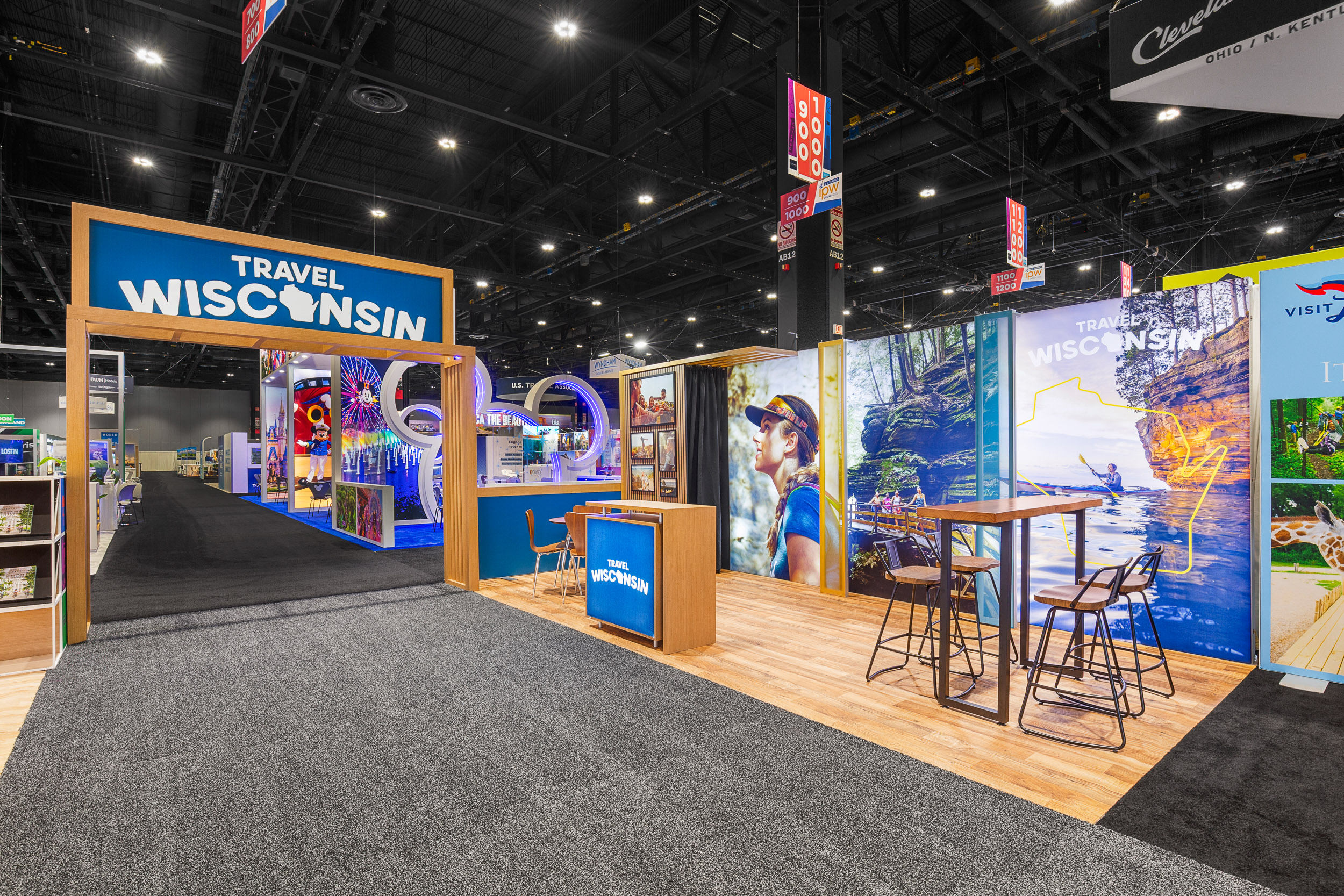
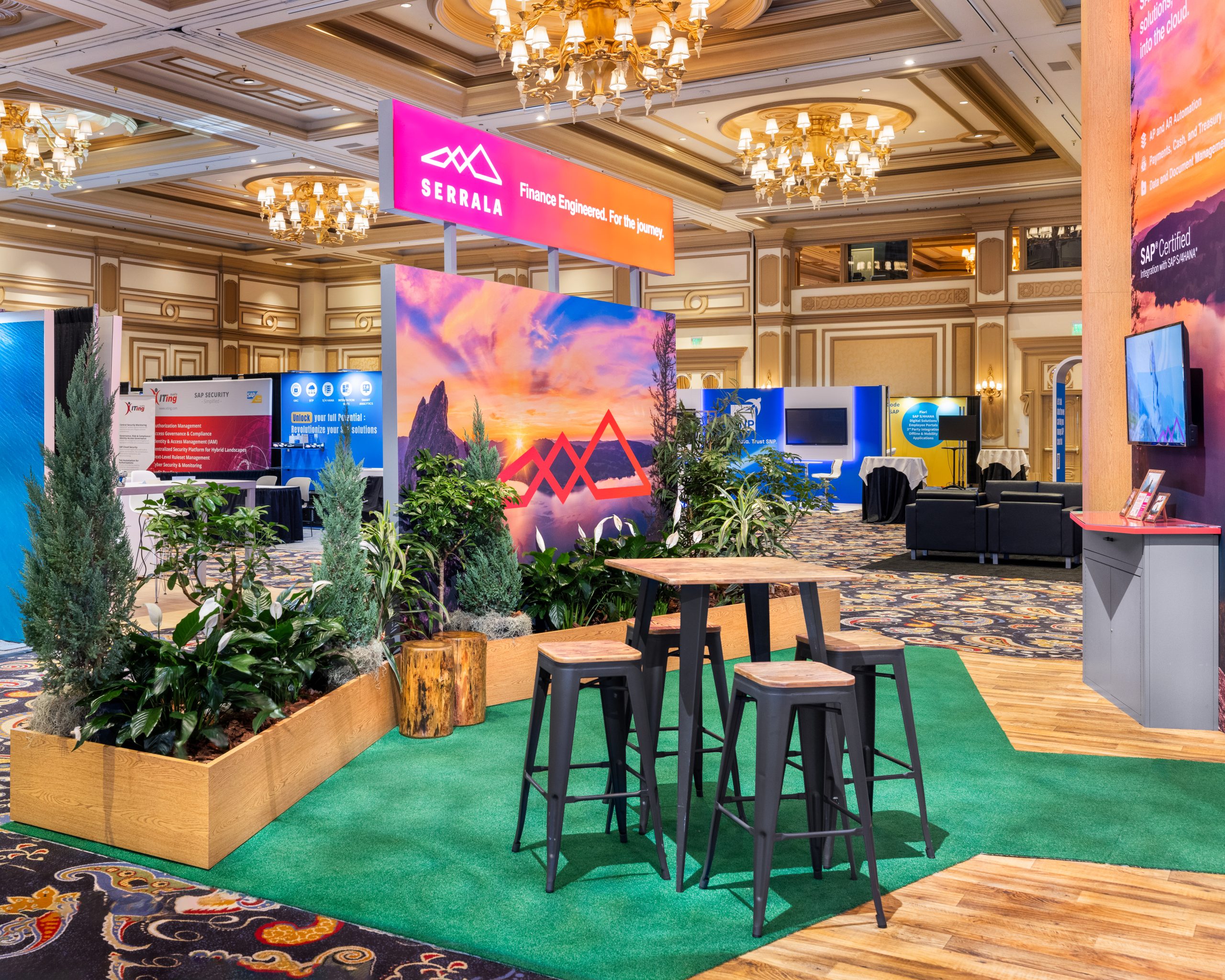
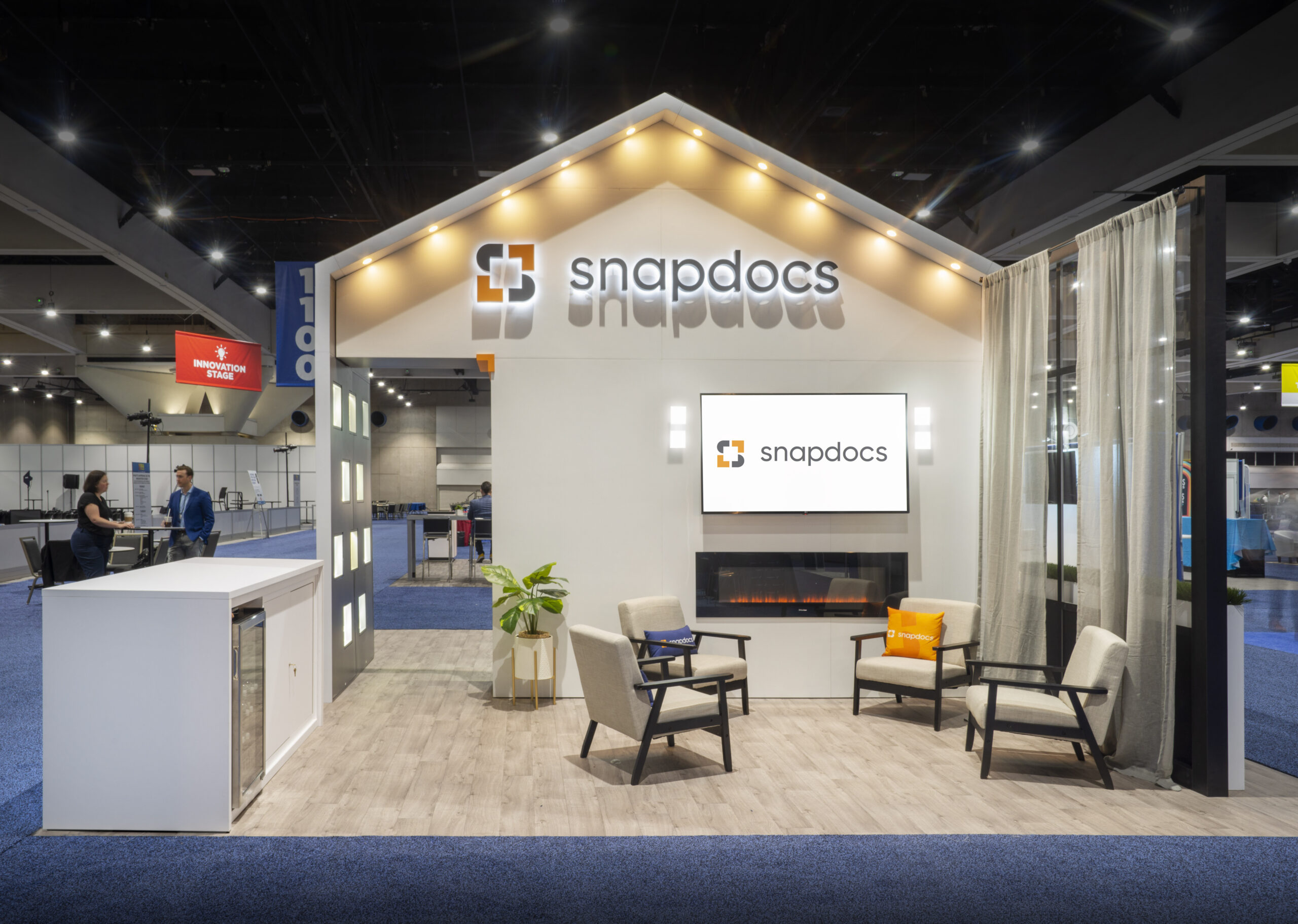
Biophilic design incorporates natural elements into exhibit environments to create spaces that feel more inviting and relaxing. Materials such as wood trim, natural color palettes, living plants, green walls, and even trees can help transform a booth into a more welcoming and engaging environment.
These natural features soften the hard edges often found in traditional exhibit construction and help create a calming atmosphere within the busy trade show floor. In addition to enhancing the attendee experience, incorporating natural elements can also communicate a company’s commitment to sustainability and environmental responsibility.
Integrated Lighting
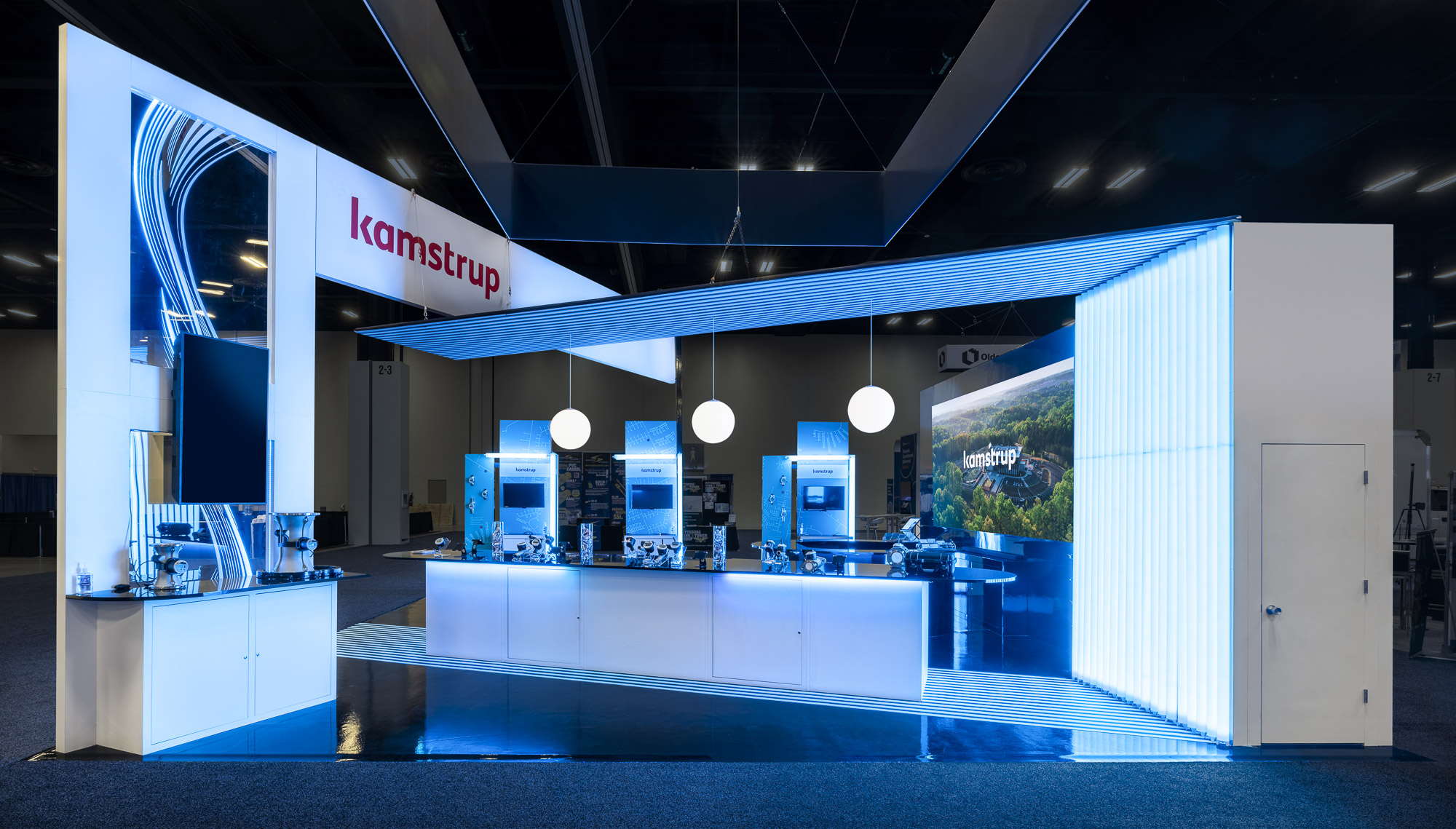
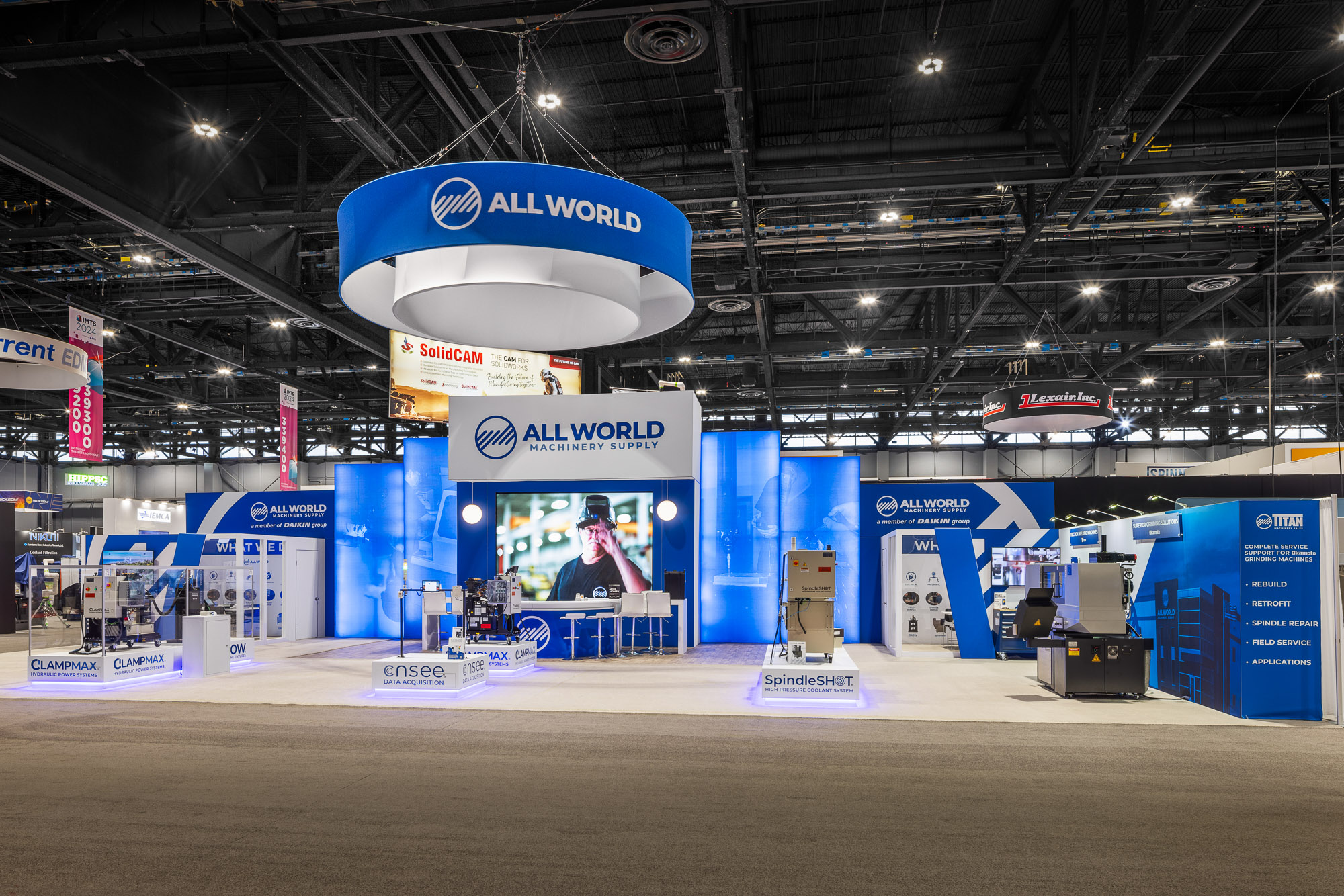
Lighting is a timeless design feature that has become more of an expectation rather than a trend, however, recent advances in LED lighting technology have significantly changed and improved how exhibits are designed. Lighting has evolved from a simple functional feature into a central design element that enhances the overall impact of a booth.
LED lighting can be used subtly to create warm accent lighting or more dramatically to highlight products, architectural features, and key messaging. The ability to customize colors also allows exhibitors to reinforce brand identity by matching corporate colors or creating a specific mood within the exhibit space.
Wellness Spaces
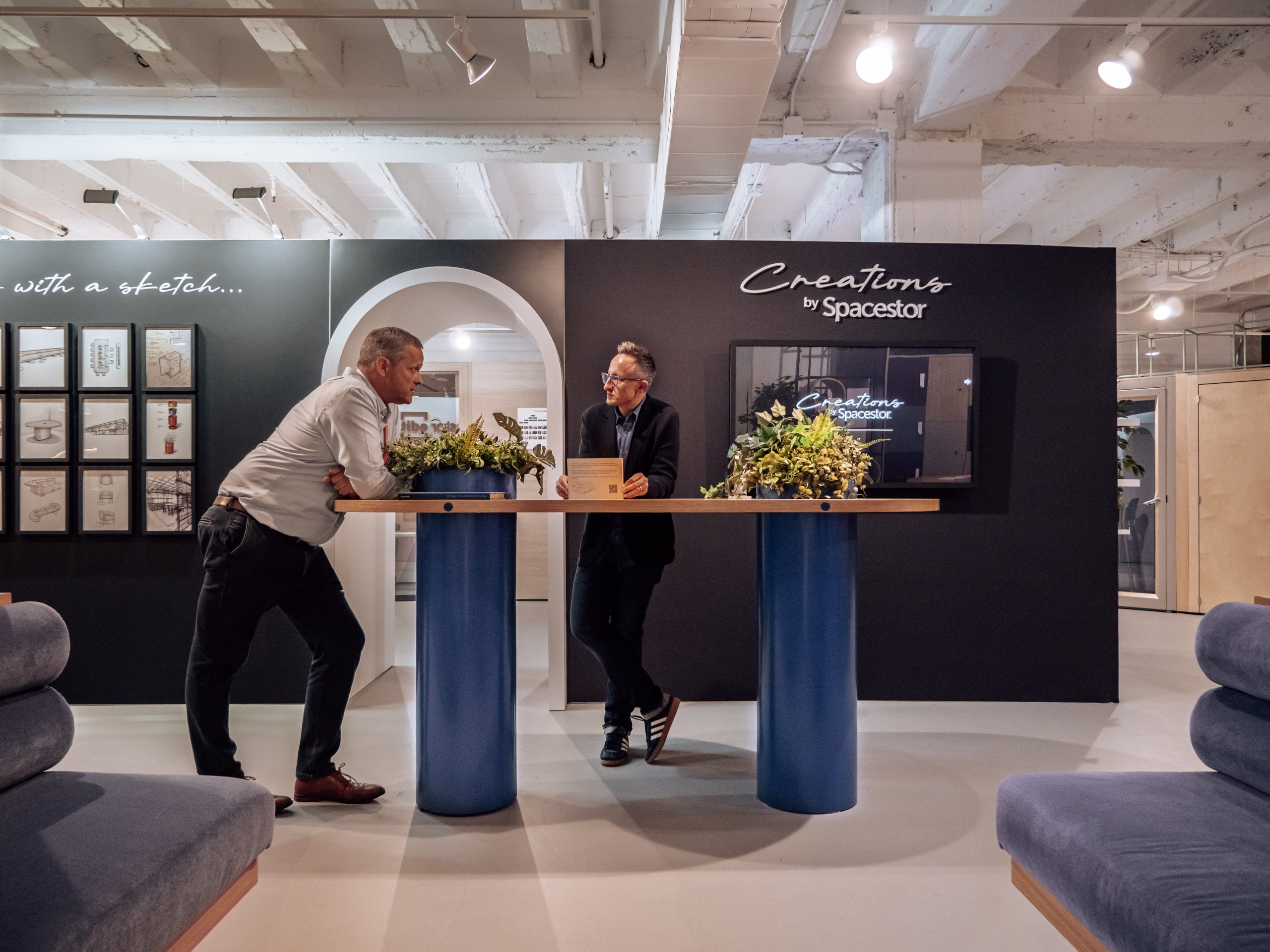
Trade show floors can be fast-paced and overwhelming for attendees. As a result, many exhibitors are incorporating wellness or relaxation areas into their booth designs when space allows. These dedicated spaces provide visitors with an opportunity to take a short break from the busy show environment while engaging with the brand in a more comfortable setting.
Wellness areas may include refreshments, comfortable lounge seating, or even amenities such as quick chair massages. Incorporating calming lighting and natural elements can further enhance the experience and create a memorable destination within the exhibit hall.
Scalable Exhibit Systems
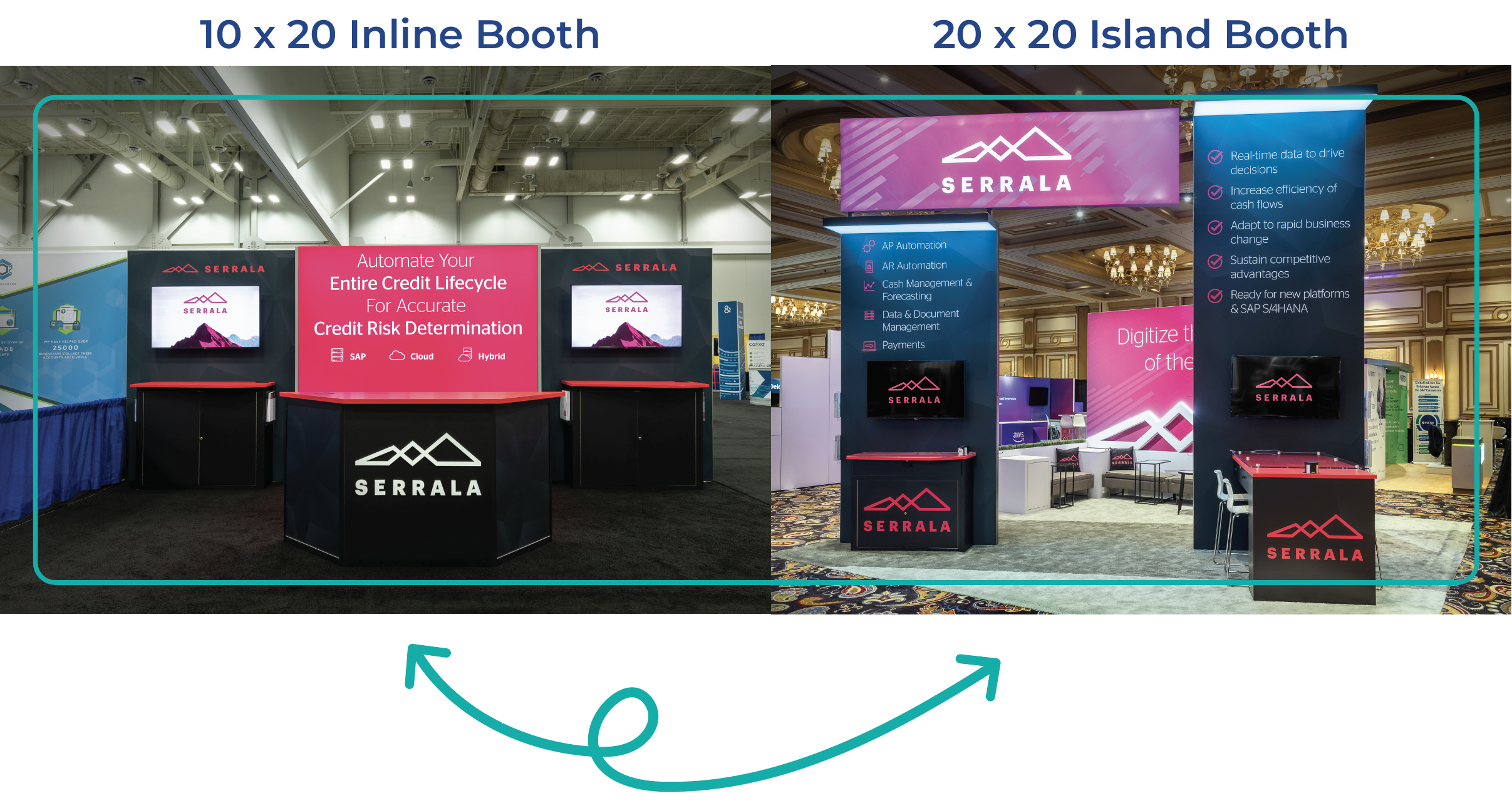
In today’s economic environment, exhibitors are placing a greater emphasis on maximizing the long-term value of their trade show investments. Scalable exhibit systems allow booths to be reconfigured for multiple booth sizes and layouts, making them adaptable for different events and venues.
Modular components and reusable assets allow exhibitors to repurpose elements across multiple shows, extending the lifespan of their exhibit while controlling costs. While scalable design is not a new concept, it has become an increasingly important priority as companies seek flexible solutions that can evolve with their marketing needs.
Designing For Engagement
As exhibit design continues to advance, successful booths will focus on creating environments that are visually compelling, adaptable, and comfortable for attendees. By incorporating natural elements, strategic lighting, wellness-focused spaces, and scalable systems, exhibitors can create meaningful experiences that leave a lasting impression long after the show ends.
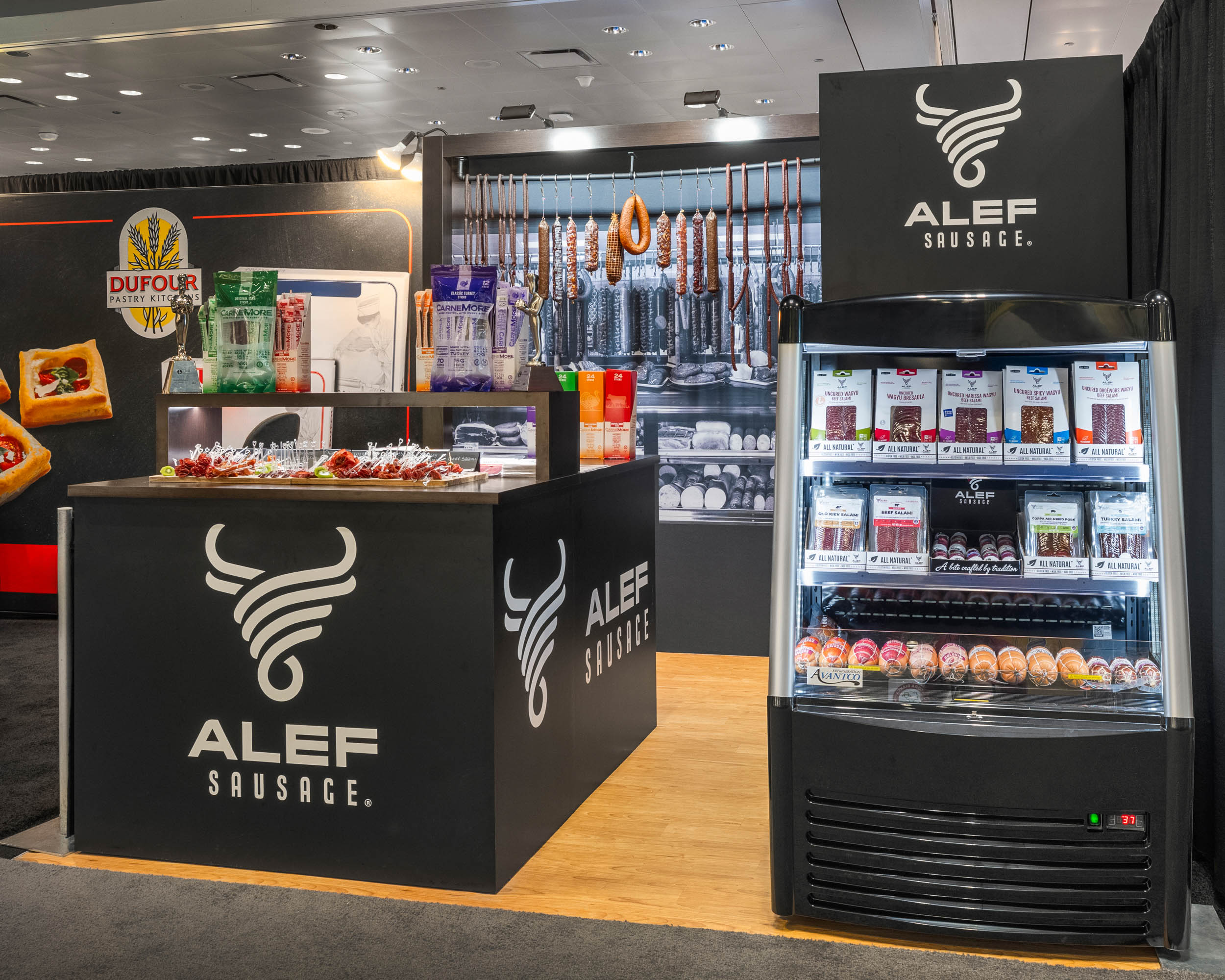
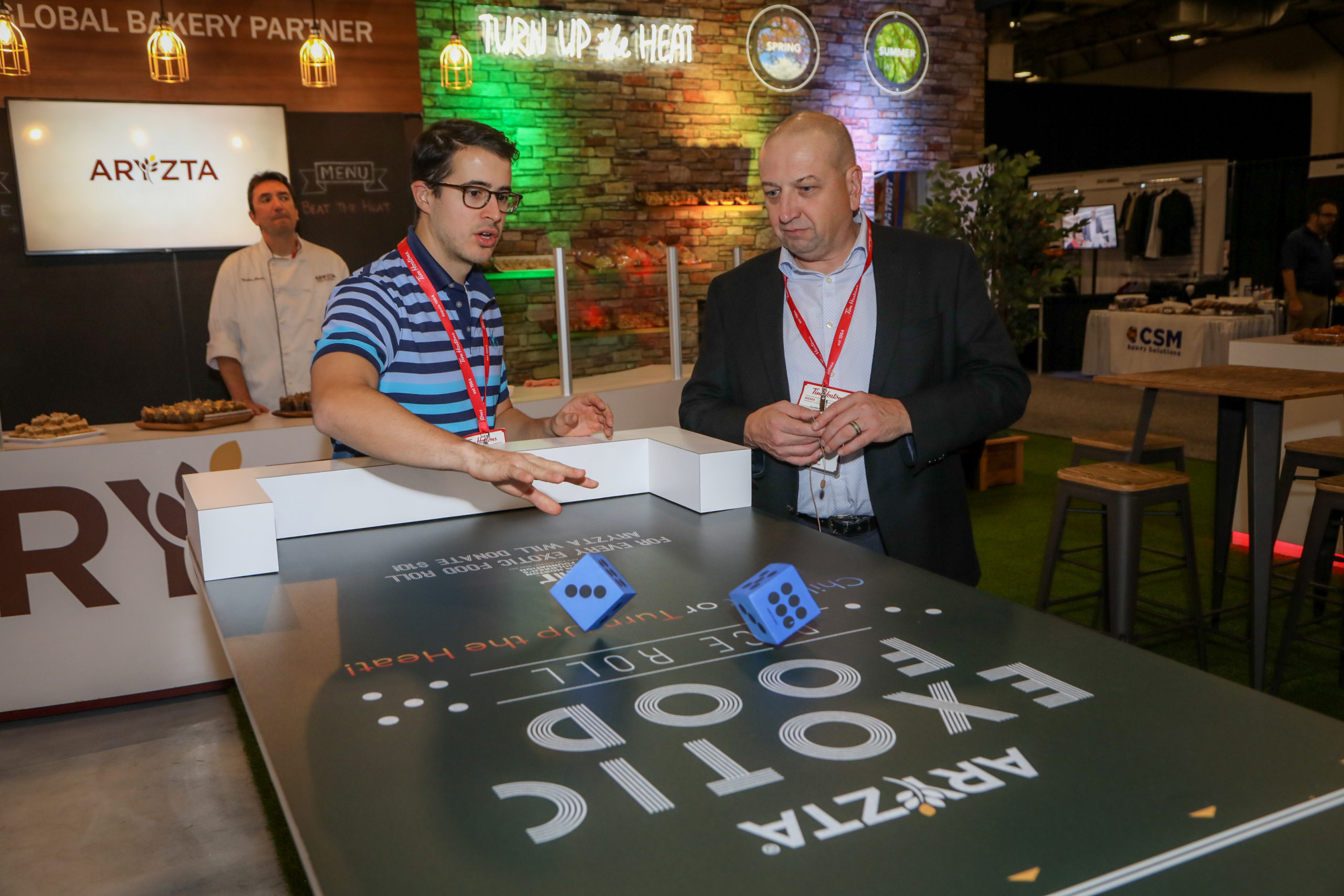
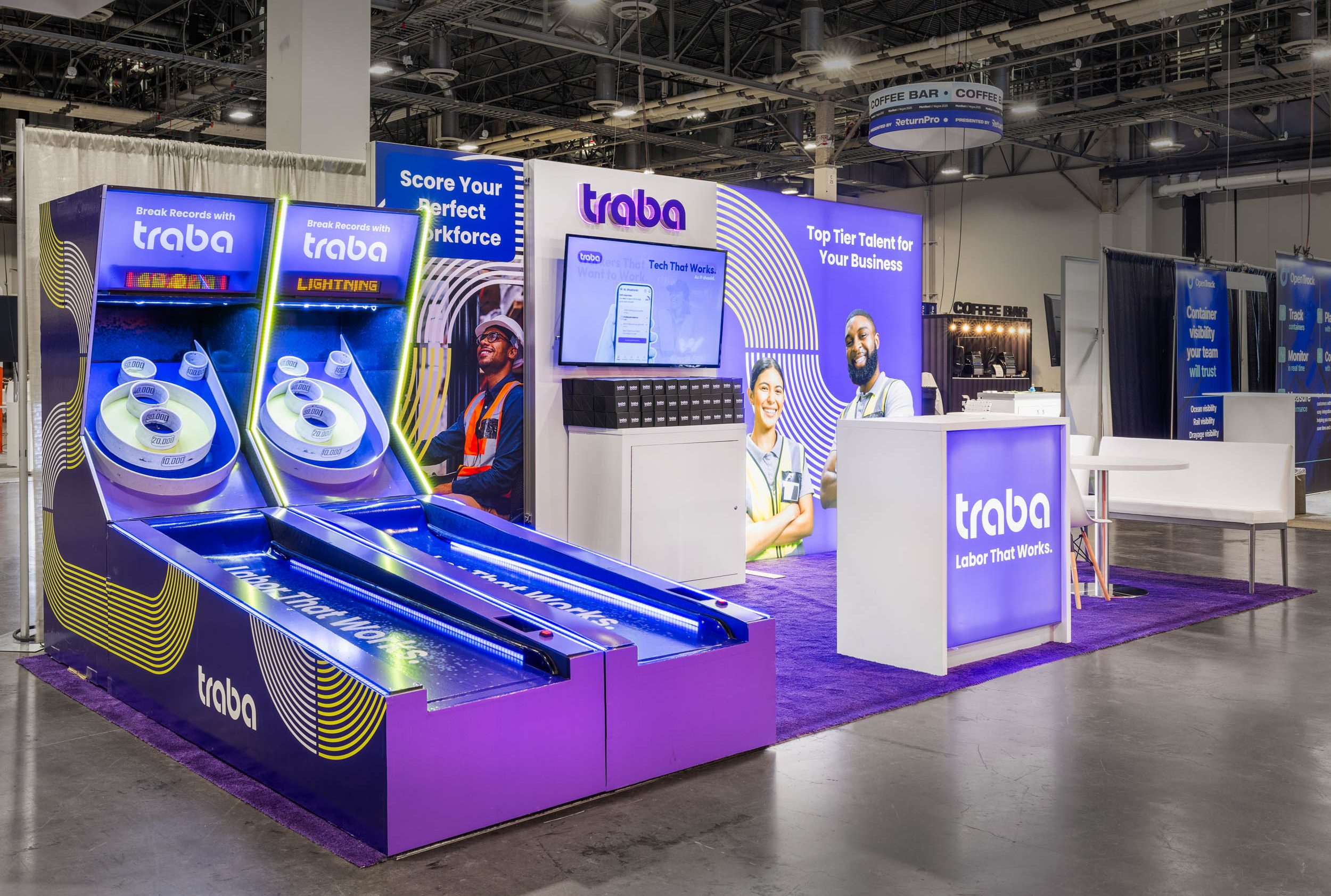
Some great ways to inspire engagement would be incorporating games, tasting stations, photo booths, or creating a themed environment. A fully immersive space could also include lighting, sound, and even scent to draw attendees in. Creating an interactive experience is the best way to start meaningful conversations and leave a lasting impression.
Movement
Adding movement is about giving your inanimate space energy, and creating attention grabbing elements that draw people in from a busy show floor. This can be taken literally by including digital monitors with video footage playing on a loop. Using technology in a fresh and exciting way such as clear touch screen monitors, LED tile reception desks, or round LED signs are just a few examples.
Creating movement can also be somewhat obscure, with design elements giving the illusion of movement throughout the exhibit space. Lighting can provide a sense of flow with color-changing LEDs or slow gradients. Directional lighting can also help move the eye from one area of the booth to another. Layering graphics and having elements stagger at different depths can also give the feeling of movement. Lastly, movement can also easily be incorporated just by focusing on more curved design elements rather than rigid angles and hard lines.
Final Thoughts
Whether it’s a timeless design or trendy elements that you desire for your next exhibit, planning and prep with the right partner is essential to execute your goals and maximize your return. The Nimlok Chicago team is constantly evolving and perfecting our craft to deliver stand-out exhibits for our clients. Reach out to discuss your exhibit goals with our industry experts!