LED Tiles for Trade Shows: Should You Rent or Buy?
Trade shows are sensory playgrounds where first impressions matter. Walk down any aisle and you’ll see towering walls of moving graphics and booths that seem to glow from the inside. At the heart of this spectacle are LED tiles – modular panels that can be stitched together to form video walls, curved displays, counters or even transparent screens. They offer a blank digital canvas limited only by imagination and budget. But when you start planning a new booth, a big question arises: should you rent these tiles or buy them? Let’s unpack the pros and cons of each approach so you can make an informed choice.
What Makes LED Tiles So Compelling?
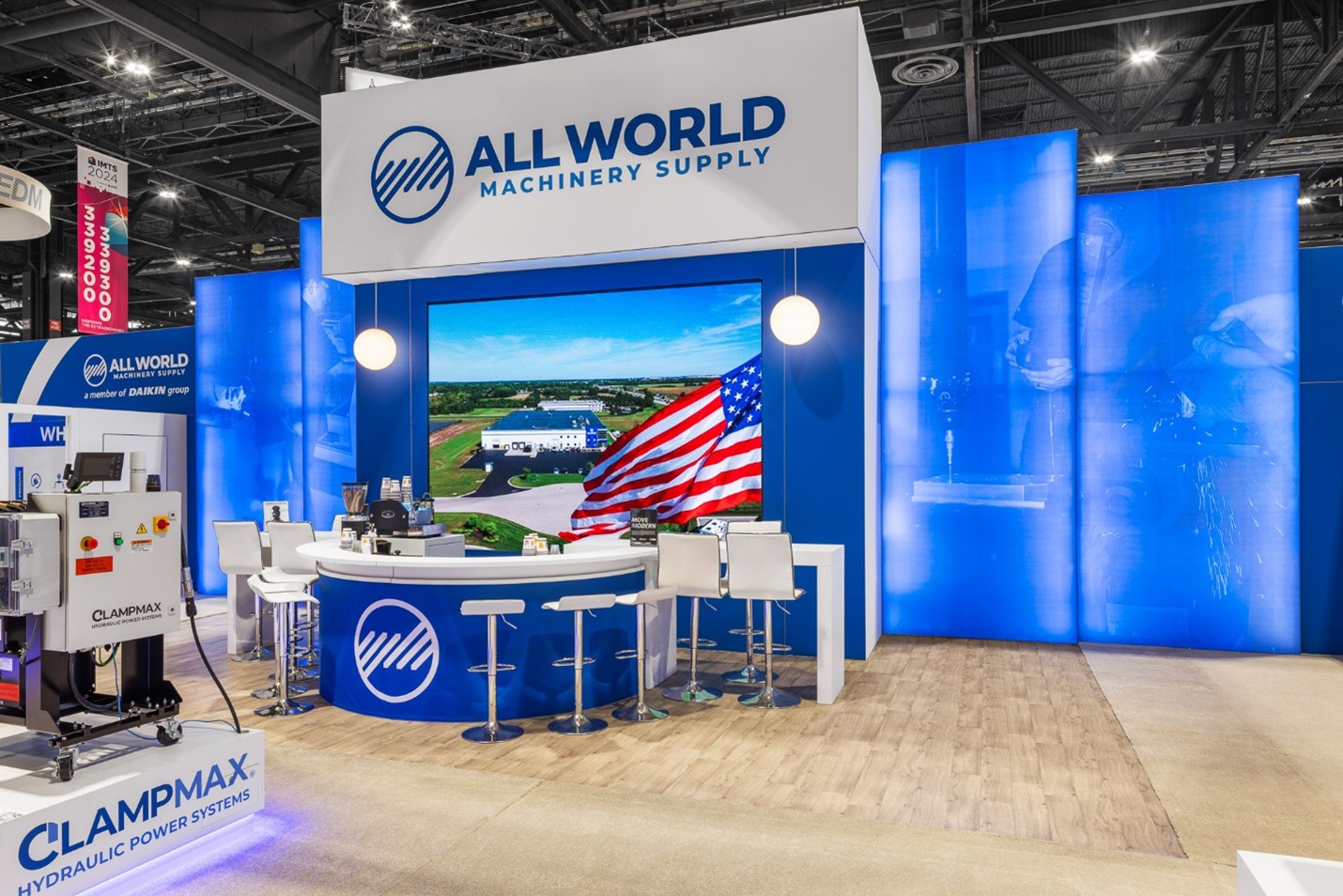
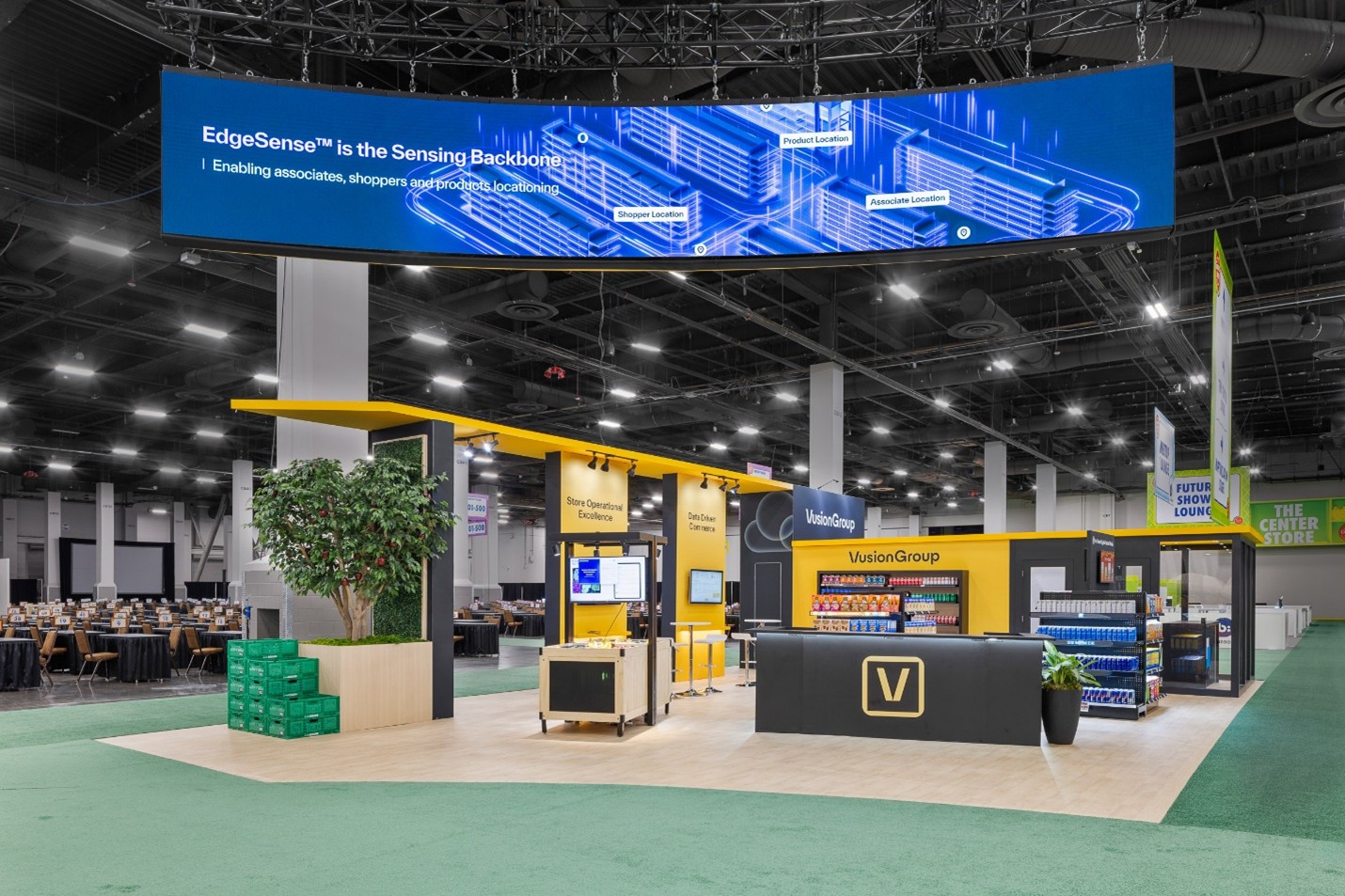
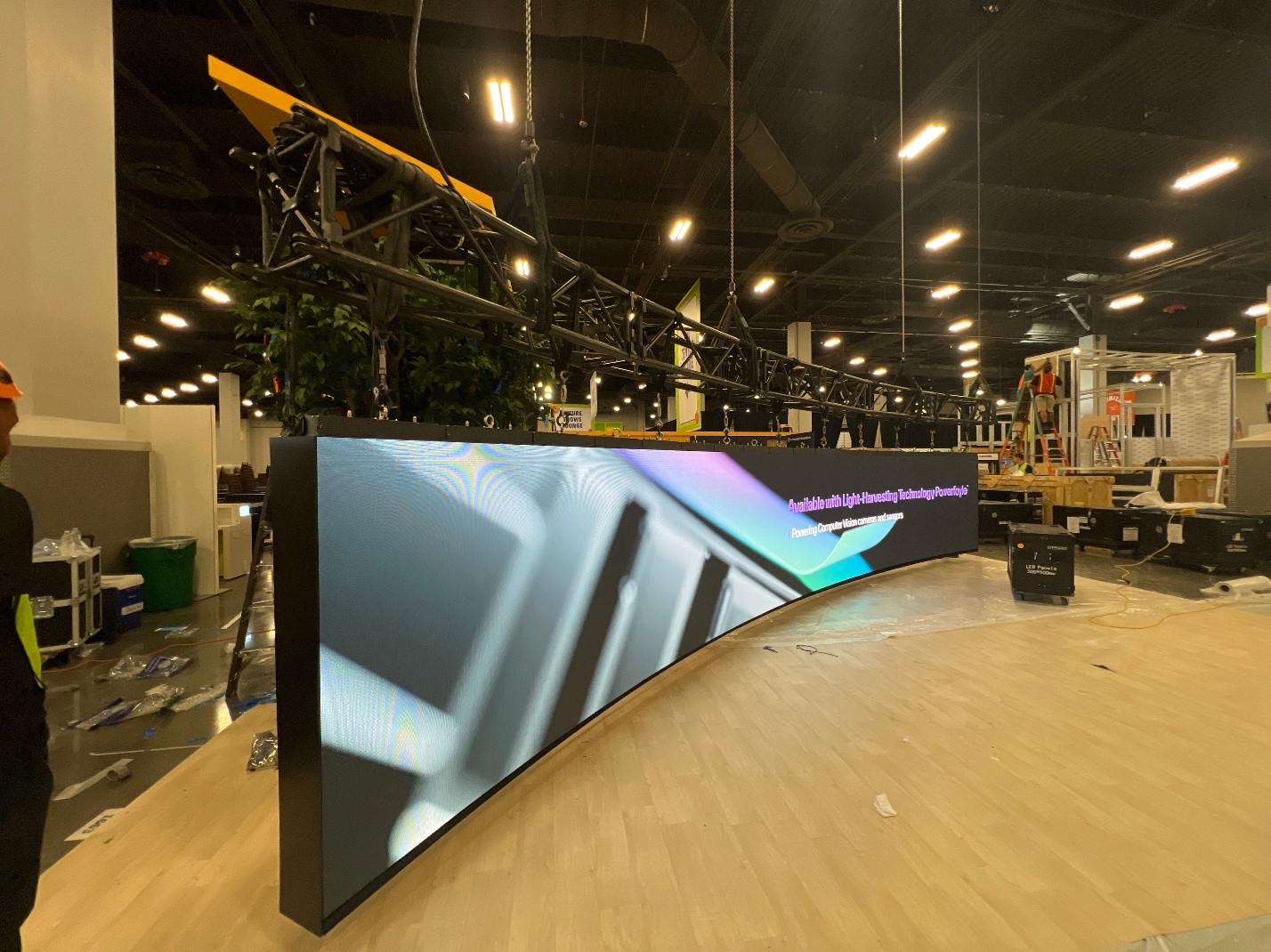
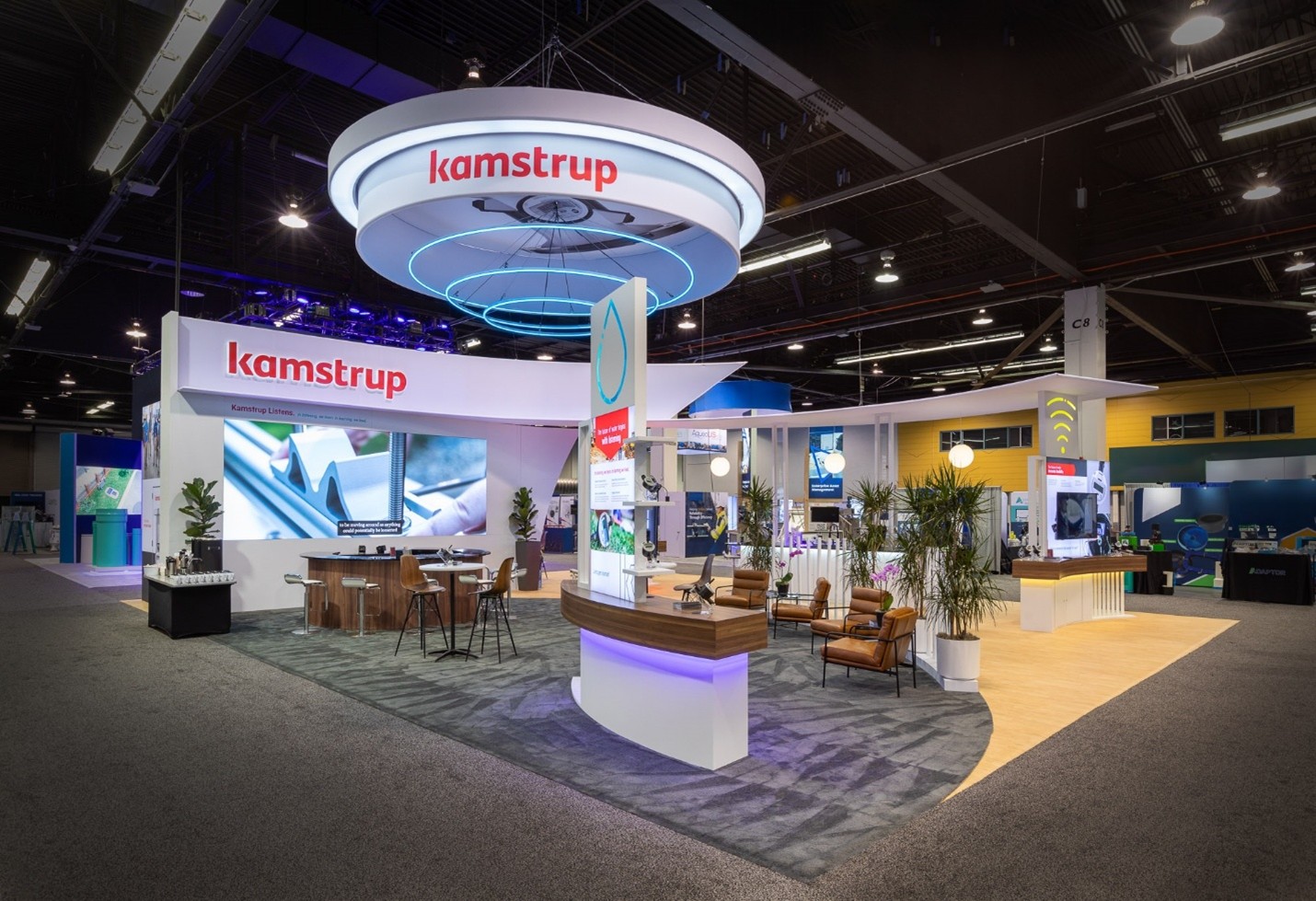
LED tiles are thin, light modules that lock together to create screens of almost any size and shape. Their high brightness means your content is visible even under harsh expo lighting. Fine pixel pitches allow for crisp imagery up close. And because the panels are modular, you can build walls that curve around corners, form arches or float above product displays. Imagine the impact of a seamless backdrop playing a cinematic product video or a reception counter that doubles as a dynamic sign. LED tiles turn your booth into a living canvas.
 Renting LED Tiles: Flexibility Without Commitment
Renting LED tiles is a popular choice for exhibitors who want impact without a long‑term investment. Here’s why:
- Lower up‑front cost. Renting usually requires only a deposit or single‑event fee, making it far more affordable than buying an entire wall. This is ideal for first‑time exhibitors or companies testing the waters.
- Access to the latest tech. Rental houses rotate their inventory frequently. When you rent, you’re likely to receive newer panels with higher resolutions and better processing. You can also experiment with speciality options such as transparent or curved tiles without committing to ownership – some vendors explicitly advertise features like curved splicing and transparent panels in their rental lineups.
- Ease of logistics. Rental agreements often include delivery, setup and teardown. If a tile fails on show day, the vendor replaces it. You can even insure the wall through the rental company, minimizing risk.
There are also downsides:
- Recurring expenses. If you exhibit frequently, rental fees add up. Cost‑effective daily rental prices can vary depending on the wall’s size and specs. After enough shows, you might pay as much in rentals as you would for ownership.
- Less control over availability. Popular panels get booked quickly during peak trade‑show season. You may need to lock in your rental months in advance or settle for a different pixel pitch.
- Limited customization. Rental walls typically come in standard sizes and configurations. You might not be able to match them perfectly to a custom booth layout.
Renting is best for exhibitors who attend only a few shows a year, want to stay on the cutting edge of technology or need the flexibility to try different display shapes without long‑term storage headaches.
 Buying LED Tiles: Investment and Control
For companies that exhibit often and want complete creative control, purchasing LED tiles can be attractive. Ownership offers several advantages:
- Long‑term value. If you use LED walls repeatedly, buying can be cheaper in the long run than paying rental fees event after event. You’ll have full control over the wall’s size, resolution and configuration.
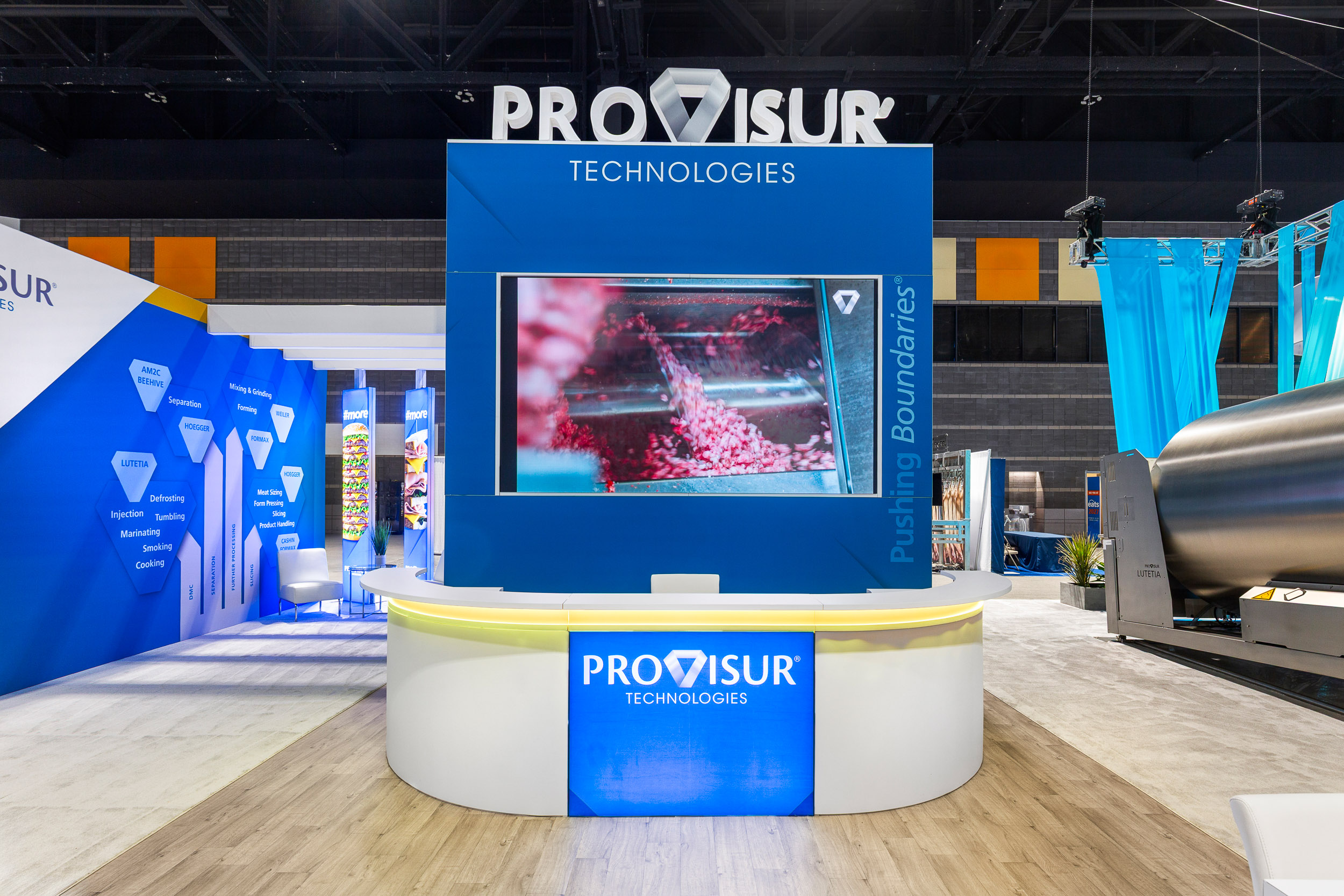
- Brand consistency. Owning your panels means you can integrate them seamlessly into a custom booth design and be certain they’re available when needed. You can also invest in unique shapes or sizes tailored to your product displays.
However, the cons of ownership are significant:
- High up‑front cost. Purchasing a video wall is capital intensive. A single LED wall can range from a few thousand dollars to well over $100,000 depending on size and specs. You’ll also need processors, cables, rigging and transportation cases.
- Batch consistency and color matching. LED diodes are manufactured in batches, and panels from different batches can vary slightly in color temperature and brightness. Industry guidance notes that when you purchase a direct‑view LED display, you should order all panels and spare parts from the same batch; once a display has been manufactured, additional panels may not match unless they were part of the original batch. That means buying a large batch up front and storing extras for future expansion or repairs.
- Storage and maintenance. LED tiles are fragile. You’ll need climate‑controlled storage, protective cases and insurance. As the owner, you’re responsible for routine maintenance and any repairs. If you damage a module, you must coordinate replacements and recalibrate the wall yourself.
- Technology obsolescence. Display technology evolves quickly. The cutting‑edge wall you buy today may look dated in a few years. Upgrading means reinvesting or trying to sell your used panels.
Buying LED tiles is best for exhibitors with heavy event schedules, predictable booth designs and the budget to absorb a large capital expenditure. It offers creative freedom and potential long‑term savings, but requires planning and upkeep.
 Comparing Costs and Commitment
Budgeting for LED displays requires weighing how often you’ll use them and what kind of impression you need to make. Price ranges illustrate the gap: renting an LED wall typically costs thousands of dollars per day, which includes delivery and on‑site support. By contrast, purchasing a wall – even at the smaller end of the spectrum – can run tens of thousands of dollars once you factor in control gear, rigging and spare panels.
Another cost hidden in ownership is storage and transportation. Panels are delicate and must be stored in road cases in a secure facility. They’re also heavy – a medium‑sized wall may require a freight carrier and union labour for load‑in and load‑out. Rental vendors handle these logistics for you; owners must coordinate them independently.
 Decision Factors: Which Path Is Right for You?
To decide whether to rent or buy LED tiles, consider these questions:
- How often do you exhibit? If you attend several shows a year with large spaces, owning may pay off. For occasional appearances, renting is more cost‑effective.
- Is your booth design stable or evolving? Custom booth designs benefit from owning panels that fit perfectly. If you redesign often or test different display shapes, renting allows experimentation without commitment.
- What is your budget timeline? Rentals spread costs over time, making them easier to fit into annual marketing budgets. Purchases require a large upfront investment but can save money over multiple years of use.
- Do you have storage and technical support? Ownership means you’ll need a place to keep panels and trained staff or partners to maintain them. Rentals include support and replacements.
- Are you ready to commit to a specific technology? Owning ties you to one pixel pitch and panel type for years. Renting lets you try transparent, curved or high‑resolution tiles as needed.
For many exhibitors, a hybrid approach works best. You might own a basic wall for smaller shows and rent specialty tiles for major events. You could purchase the core of your display and rent extra sections when your space grows. Working closely with a reputable AV provider will help you navigate these options and ensure seamless integration with your booth design.
Final Thoughts
LED tiles unlock incredible opportunities to tell your brand story on the trade‑show floor. Whether you rent or buy, the key is to align your decision with your event schedule, design ambitions and financial strategy. Renting provides flexibility, access to cutting‑edge technology and lower risk. Buying offers creative control and potential long‑term savings, but demands careful planning around batch matching, maintenance and storage. Evaluate how you’ll use the displays over the next few years, consult with experienced vendors and choose the path that keeps your booth shining while supporting your business goals.